
Real vs. Artificial Christmas Trees: 7 Reasons Families Are Making the Switch
Every year, the debate resurfaces around Thanksgiving: real Christmas tree or artificial? For generations, the case for real trees centered on tradition, fragrance, and a feeling that no synthetic material could replicate. But that conversation has shifted considerably. More families than ever are choosing artificial trees, and not just for convenience.
Here is what the research actually says about real versus artificial Christmas trees, including a few things the Christmas tree farm probably does not advertise.
1. Real Trees Bring More Than Holiday Spirit Into Your Home
This is the one that catches most people off guard. Research has found that a single Christmas tree can harbor up to 25,000 insects, mites, and spiders hiding among its branches. Most are dormant in the cold, but once you bring the tree inside and the heat kicks on, they wake up. Think Night at the Museum, but make it Christmas.
Common stowaways include:
- Pine bark adelgids: These tiny white insects resemble cotton fluff dotting the branches. They feed on tree sap and can spread to other houseplants.
- Aphids: Small, dark insects that excrete a sticky residue and can infest the area around your tree.
- Spider mites: Nearly invisible to the naked eye, these thrive in dry indoor air and can spread throughout your home quickly.
- Scale insects: Flat, oval insects that attach to bark and branches and survive for months indoors.
- Praying mantis egg cases: This is the one that goes viral every December for good reason. A single egg case can contain 100 to 400 eggs. The warmth of your home can trigger them to hatch, releasing hundreds of tiny praying mantises into your living room. It is memorable in all the wrong ways.
The standard advice is to shake your tree vigorously before bringing it inside, but that eliminates only a fraction of the risk. Artificial trees, stored in a bag or box between seasons, carry none of this.
2. The Cost Comparison Favors Artificial Over Time
The average price of a fresh-cut Christmas tree has climbed steadily, with many families now spending $80 to $150 or more per season depending on size and region. That adds up quickly. A quality artificial tree typically pays for itself within three to five years and continues delivering value from there.
A Christmas Jungle tree is built to last 10 years or more with proper care. Over a decade, the math becomes hard to argue with. You also eliminate the recurring costs of stands, water additives, mid-season replacements when a tree dies early, and disposal fees.
3. Real Trees Can Be a Fire Hazard
Fresh trees contain moisture, which offers some protection early in the season. The problem is that Christmas trees dry out fast, and a dry tree is a serious fire risk. According to the National Fire Protection Association, Christmas tree fires are disproportionately deadly because they can spread to fully engulf a room in under a minute.
The primary causes are trees placed too close to heat sources, damaged or overloaded light strings, and trees that dry out before the holidays are over. Households with young children, pets, and busy schedules face compounding risk.
Quality artificial trees are manufactured with flame-retardant materials, which reduces the risk of rapid ignition that makes dry real trees so dangerous. It is one less thing to worry about during the most hectic time of year.
4. Allergens, Mold, and Mildew Are Legitimate Concerns
Real trees trigger allergic reactions in more households than most people realize. The culprit is not always the tree itself but the mold spores that travel with it. Studies have documented significant increases in indoor mold levels after a fresh tree is brought inside, particularly when the stand is consistently topped up with water throughout the season.
Pine pollen, tree resin, and mold can all exacerbate symptoms for anyone dealing with allergies, asthma, or respiratory sensitivities. Artificial trees produce none of these. If your family includes anyone with known allergies or asthma, the switch to artificial is an easy quality-of-life improvement.
5. The Setup and Cleanup Trade-Off Is Very Real
Getting a real tree home, cutting the base, wrestling with a stand, and vacuuming up needles for two months is a genuine time investment. Post-holiday cleanup adds another hour or more. Many families end up making a second trip if the tree dries out and starts dropping needles before New Year.
Artificial trees require a real setup investment in year one, particularly for light placement and learning the branch layout. After that, the process becomes significantly faster each year. Christmas Jungle trees feature hinged branches that fold out automatically, so setup typically takes well under an hour once you know the tree.
6. The Environmental Picture Is More Nuanced Than It Seems
Real tree advocates make valid points: farm-grown trees absorb carbon during their growing period, support agricultural jobs, and are fully biodegradable. Those things are true.
But the full picture is more complicated. Most Christmas trees travel hundreds of miles from farm to lot to living room, and that transportation footprint is real. Farm-raised trees also require pesticides, fertilizers, and significant water inputs over a 7-to-10 year growing period before they are ever harvested.
Lifecycle assessments generally conclude that an artificial tree becomes the lower environmental-impact option when used for approximately seven years or more. A Christmas Jungle tree is designed and built for long-term use, which improves substantially on that calculation. Neither choice is impact-free, but longevity and reuse are meaningful environmental variables.
7. Style, Consistency, and the Tree You Actually Wanted
A real tree is a single-use proposition. You pick the best one available at the lot, take it home, and work around its gaps, asymmetry, and sparse patches. Some years that is charming. Other years it is just frustrating, especially when you have a vision for what the holidays should look like.
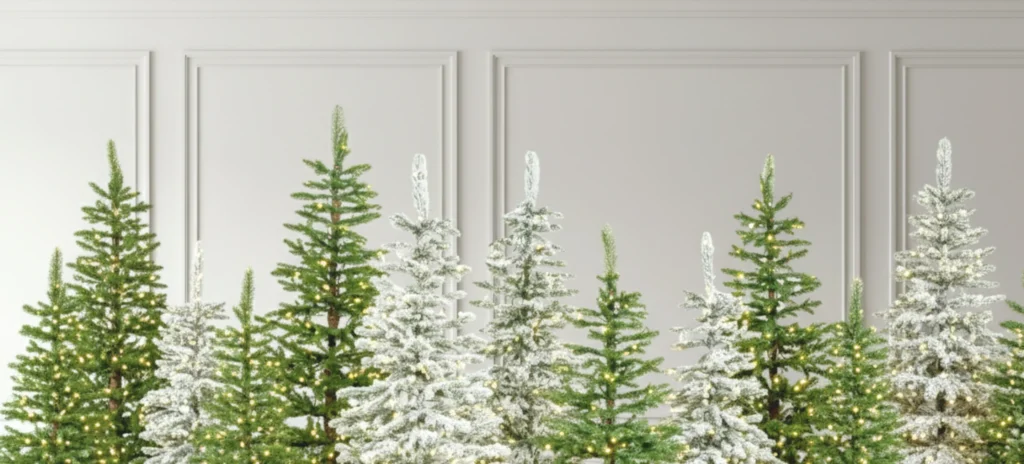
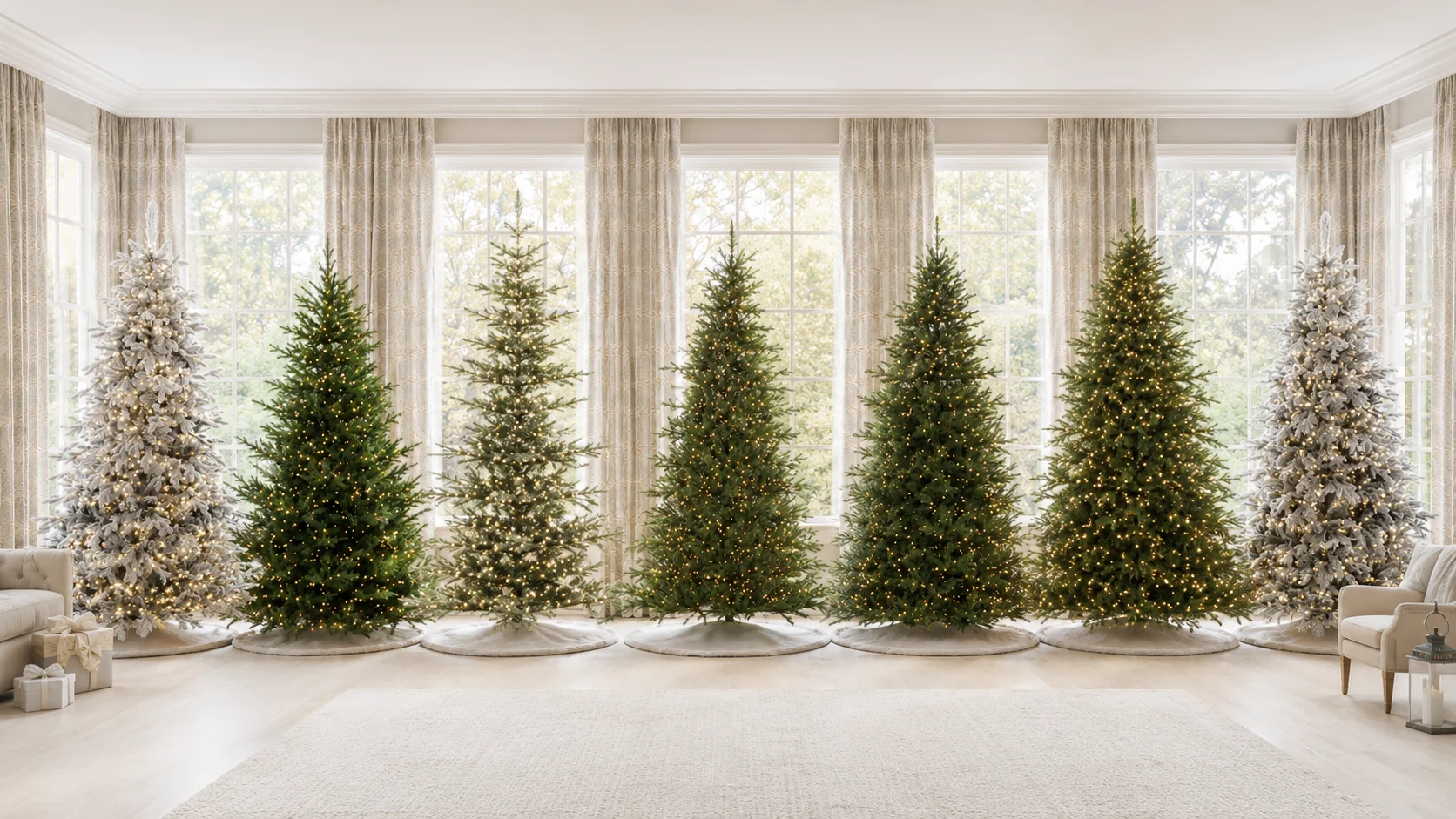
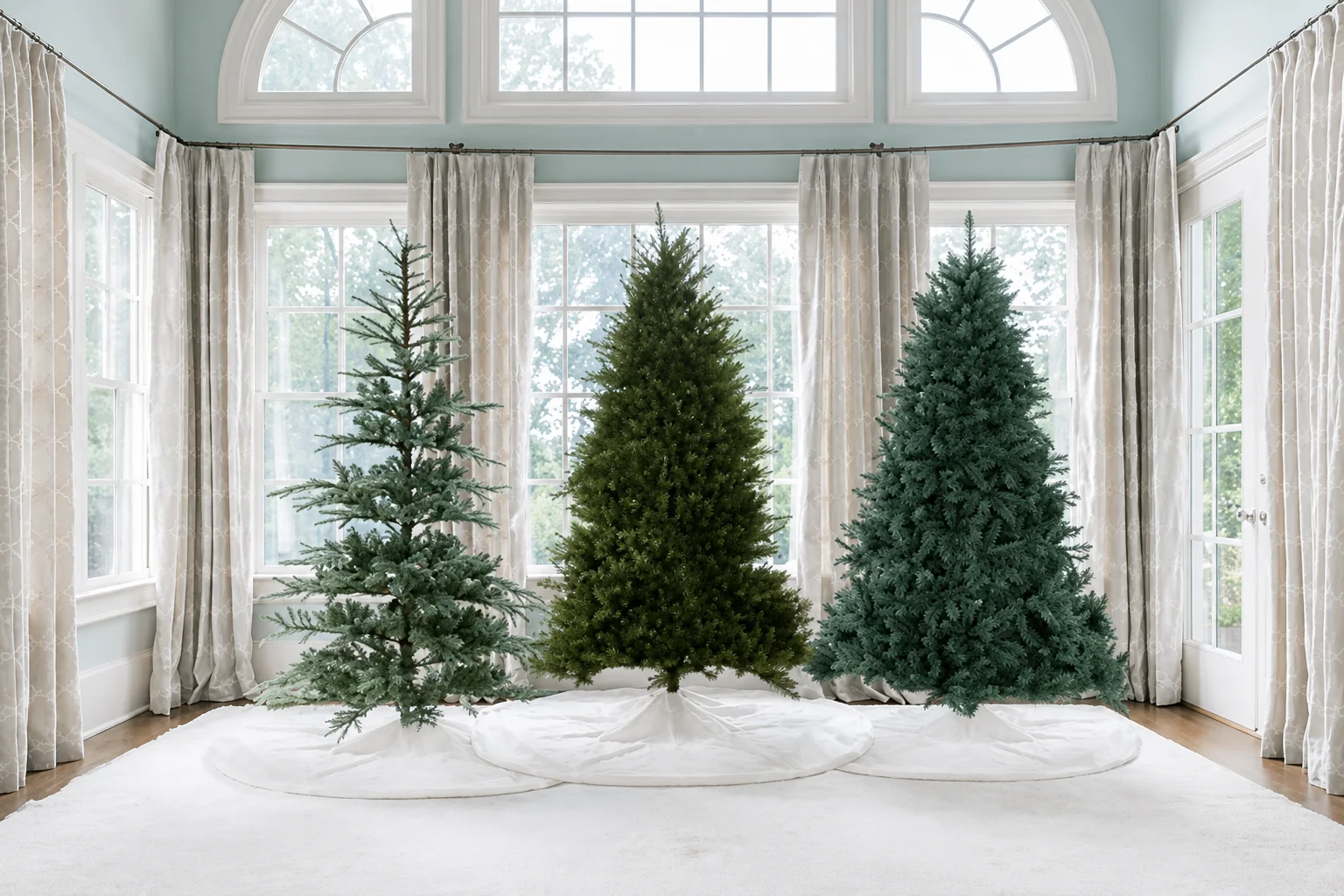
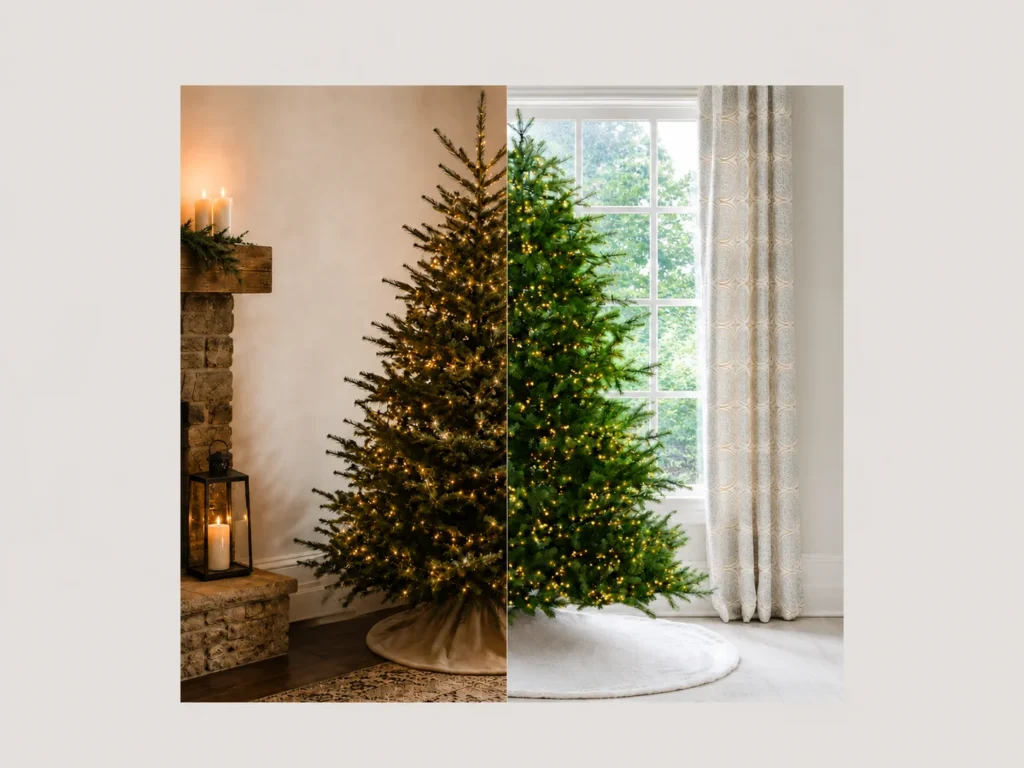
With Christmas Jungle , you choose the exact tree you want, whether that be a slim and space-saving Christmas tree or full and elegant one.. it delivers that look every year without variation. That consistency matters when your holiday aesthetic is something you have built carefully over time.
We offer a wide range of styles, and each is engineered for shape retention, natural branch movement, and the kind of realistic appearance that gets guests asking whether it is real.
Making the Switch
If you have been on the fence about switching to artificial, the evidence is compelling: eliminate the pest risk, reduce the fire hazard, remove the allergen problem, save money over time, and get a more consistent and beautiful result year after year.
The only trade-off most families feel is the loss of fragrance, and that is an easy solve with the right candle or diffuser.